
Nigeria bitumen demand
Nigeria Bitumen Outlook: Demand Growth and Basekim’s Strategic Support
The Nigeria bitumen outlook shows a clear mismatch. The country has huge reserves. Yet, it still imports most of the bitumen it uses for roads.
Despite holding large bitumen and tar sand deposits, Nigeria lacks working refineries. Its infrastructure sector keeps growing, but supply is weak. This gap creates opportunities for suppliers like Basekim, especially from Turkey and the UAE.
Nigeria Imports Bitumen Despite Huge Reserves
Nigeria has around 16 billion barrels of asphalt. It also holds 42 billion barrels of tar sands and heavy oil. These are found in Ondo, Ogun, Edo, and Lagos states.
Still, Nigeria imports nearly all the bitumen it uses. Why? Because local refineries don’t work. The three main refineries—Port Harcourt, Warri, and Kaduna—are mostly shut down. Only Kaduna is built to make bitumen. Even so, it rarely does.
Kaduna’s daily bitumen capacity is about 1,796 tonnes. That equals over 600,000 tonnes a year. But production has been nearly zero for years.
Infrastructure Needs Keep Growing
Nigeria’s road network is expanding. This drives up demand for bitumen. In 2013, bitumen use peaked at 500,000 tonnes. Then came a recession. By 2015, demand dropped to just 110,000 tonnes. Since then, it’s grown again. In 2023, demand reached 300,000 tonnes.
But with refineries idle, Nigeria has no choice. It must continue importing. This makes the country rely on foreign suppliers. It also costs a lot in foreign exchange.
Government Plans Are Slow to Deliver
Leaders have promised to fix refineries for decades. In April, NNPC said it secured funding to restart the Kaduna refinery. Similar pledges were made before, but little progress followed.
The Federal Government also wants to boost natural bitumen use. In Ondo, Southwest Bitumen Limited is building a plant. It plans to produce 20,000 tonnes per month. But this still covers only a fraction of national demand.
Natural Bitumen: A Future Resource, Not a Quick Fix
Nigeria’s natural bitumen reserves are vast. But tapping into them is hard. Mining and refining natural bitumen takes time, money, and skill. That’s why production is still limited.
Ondo leads in development. The state has built a plant and set policies. But output is small. For now, natural bitumen is more of a long-term plan than a present solution.
Basekim Supports Nigeria’s Bitumen Needs
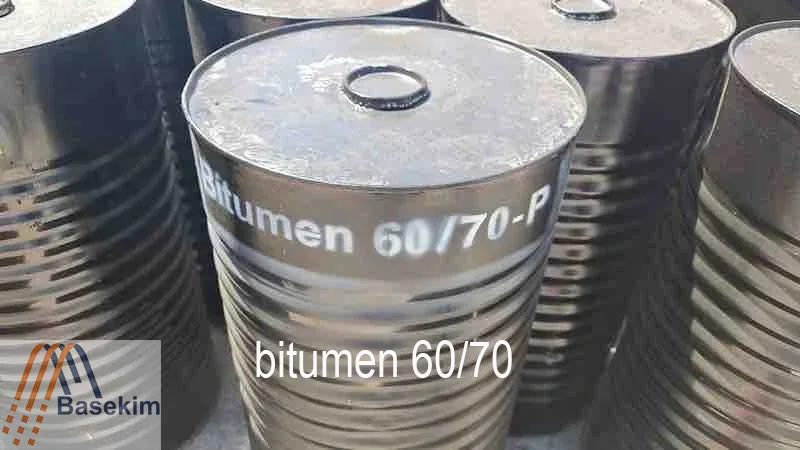
Until Nigeria can produce enough on its own, imports will continue. That’s where Basekim plays a key role. The company supplies medium-curing and penetration-grade bitumen. It serves Nigeria from its operations in Turkey and the UAE.
Turkey already exports a large share of bitumen to Nigeria. In 2023, it sold over $68 million worth. The UAE also offers a reliable source. Both countries have strong logistics and refining capabilities.
Basekim provides more than supply. It offers expert guidance, fast delivery, and technical support. Its products are tailored for African climates and road types.
Helping Nigeria Prepare for Future Growth
Basekim isn’t just a supplier. It also helps prepare Nigeria for self-sufficiency. The company advises on storage, application methods, and curing times. It supports local teams with training and engineering input.
In hot, humid environments like Nigeria, road work needs the right formulation. Bitumen must cure fast and resist weather. Basekim has experience delivering just that.
Private Refineries May Help, But Not Yet
Big projects like the Dangote Refinery might help in the future. This facility could produce large volumes of bitumen. But it’s not ready yet. The timeline remains unclear. Other private refineries are still in early stages too.
For the next few years, Nigeria will depend on imports. That’s why stable, high-quality suppliers are so important now.
Outlook: Challenges Remain, But So Do Opportunities
The Nigeria bitumen outlook includes both risks and potential. Local reserves are huge. Demand is growing fast. But production capacity is low. Politics and red tape slow progress.
This makes the role of trusted suppliers even more valuable. Companies like Basekim bring stability. They also help Nigeria build toward long-term goals.
Consequently: Supply Now, Growth Later
In summary, Nigeria needs more bitumen than it can produce. Imports fill the gap. Basekim, based in UAE and Turkey, is helping to meet this need. It delivers the right product, backed by technical support and fast logistics.
As Nigeria works to boost local bitumen production, Basekim remains a reliable partner. It serves today’s projects—and supports tomorrow’s growth.