
Method for producing bitumen
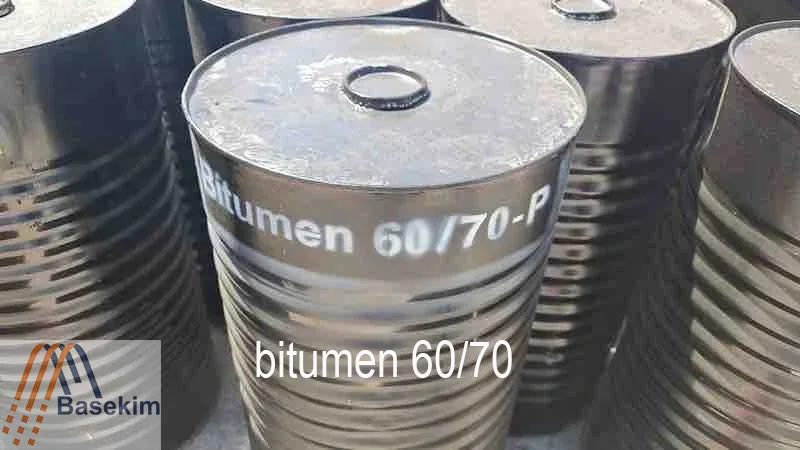
Revolutionizing Roads: The Advanced Method of Producing Bitumen for Better Pavement
Introduction: Why the Method of Producing Bitumen Matters More Than Ever
When it comes to building long-lasting roads, the key often lies in the method of producing bitumen. More specifically, the process used can significantly influence how well a road performs under stress, heat, and heavy traffic.
Especially in countries like UAE and Turkey, where extreme climates and demanding usage are everyday realities, using the right bitumen production process becomes essential. Fortunately, thanks to recent innovations, we now have better alternatives than ever before.
Traditionally, engineers have had to choose between hot mixes (which require high heat and energy) and cold emulsions (which often compromise strength and cure slowly). However, both have limitations that are hard to ignore. That’s where Basekim’s innovation comes in—offering a new path forward.
What Makes This New Bitumen Method Stand Out?
To begin with, this method of producing asphalt avoids harmful solvents, which makes it both safer and more sustainable. In addition, it maintains excellent strength and flexibility—two critical traits for any high-performance pavement.
Moreover, this method is not just about environmental benefits. It’s also about performance. For instance, this technique improves compaction and workability while reducing curing time, giving contractors more flexibility during application.
In short, it delivers what other methods fail to offer—a perfect balance between strength, sustainability, and speed.
Step-by-Step: How This Bitumen Production Process Works
Let’s now break down the process to see how it all comes together.
Step 1: Emulsion Without Solvents
First of all, the process begins by blending tar(typically 50–75%) with water and a small percentage of emulsifier. Importantly, no solvents are involved at this stage.
As a result, the final product is both safer to handle and better for the environment. Furthermore, using harder-grade bitumen (80/100 or above) enhances its long-term durability and strength.
Step 2: Controlled Mixing with Heated Aggregates
Next, the emulsion is mixed with aggregate that has been heated to between 60°C and 140°C. Simultaneously, the emulsion itself is maintained between 25°C and 95°C to ensure optimal performance.
This careful temperature control not only prevents premature breaking but also ensures that the bitumen coats each particle evenly. Consequently, the mix compacts more easily and cures faster than traditional cold emulsions.
Real-World Impact: How UAE and Turkey Are Benefiting
Now, let’s take a closer look at how this technology is making waves in the real world.
Both UAE and Turkey face unique infrastructure challenges. On the one hand, UAE’s scorching heat can damage poorly constructed roads. On the other hand, Turkey’s diverse terrain demands materials that can handle stress and moisture.
Because of these challenges, engineers in both countries have turned to Basekim’s Petroleum pitch formulation technique. As a result, roads now last longer, require less maintenance, and support heavier traffic without early damage.
In addition, the lower energy requirements mean cost savings—something every public works department can appreciate.
Why This Method Outperforms Traditional Bitumen Mixes
To better understand the advantages, it helps to compare this bitumen production process with older methods side-by-side.
| Feature | Hot Mix Asphalt | Cold Mix Emulsion | Basekim’s Method |
|---|---|---|---|
| Mixing Temperature | 160°C+ | Below 40°C | 50°C–140°C |
| Curing Time | Fast | Very slow | Fast |
| Environmental Impact | High | Moderate | Very low |
| Strength | High | Low | High |
| Workability | Low | High | High |
As the table shows, Basekim’s approach successfully bridges the gap. Not only does it provide the strength of hot mix, but it also retains the ease of cold mix—without the drawbacks.
Applications: Where This Method of Producing Bitumen Shines
So, where can this innovative process be applied?
In truth, the uses are broad. From highways and city roads to airport runways and industrial yards, this method works almost anywhere.
What’s more, because the emulsion is solvent-free, the process is safer for workers and better for the surrounding community. This adds another layer of value, especially in urban development zones and environmentally sensitive areas.
A Seamless Transition: From Lab to Road
One of the biggest advantages of this method is its consistency from formulation to final performance.
Thanks to careful control of interfacial rheology—or how the emulsion behaves during mixing and curing—Basekim ensures a uniform result every time. Furthermore, the emulsion doesn’t break until it’s compacted, which gives crews more time and flexibility on-site.
Because of this, projects are completed faster and with fewer material losses.
Behind the Innovation: The Science of Interfacial Rheology
At the heart of this method is an advanced understanding of rheology, or how liquids and solids interact. More specifically, Basekim focuses on controlling how the emulsion’s particles behave at their interface with water and aggregate.
By adjusting the emulsifier structure, the team ensures the emulsion remains stable during mixing but breaks efficiently under compaction. As a result, roads reach full strength sooner and last longer.
Even more impressive, all of this is achieved without using harmful additives or solvents—proving that high performance and sustainability can go hand in hand.
Why Basekim Is Leading the Way
It’s not just about having a good product—it’s about consistent quality and innovation. Basekim has earned a reputation for reliability across both UAE and Turkey, thanks to its:
-
Thorough testing methods
-
Expertise in chemistry and engineering
-
Commitment to cleaner, smarter construction
Additionally, Basekim continues to invest in R&D, ensuring their methods stay ahead of global standards.
Environmental and Cost Benefits That Add Up
The advantages don’t end with road strength. There’s also a major environmental and economic upside.
By avoiding solvents and reducing energy usage, this method of producing bitumen helps lower:
-
Carbon emissions
-
Fuel costs
-
Occupational health risks
Over time, governments and contractors alike find they’re not just building better roads—they’re also saving money and reducing long-term maintenance.
in summary: Why This Bitumen Method Is the Future of Road Construction
To sum up, this bitumen formulation technique offers a better way forward. It combines:
-
The durability of hot mix
-
The workability of cold mix
-
The sustainability of solvent-free emulsions
Whether you’re paving roads in the UAE, upgrading highways in Turkey, or managing infrastructure projects elsewhere, choosing the right method of producing bitumen is no longer optional—it’s essential.
So, the next time you plan a project, ask yourself: are you still relying on outdated methods—or are you ready to build the roads of the future?
Take the Next Step: Partner with Basekim
Want to improve your paving projects with proven technology? Basekim is ready to help.
Reach out today to explore how this advanced bitumen production process can save time, reduce costs, and build roads that last.