
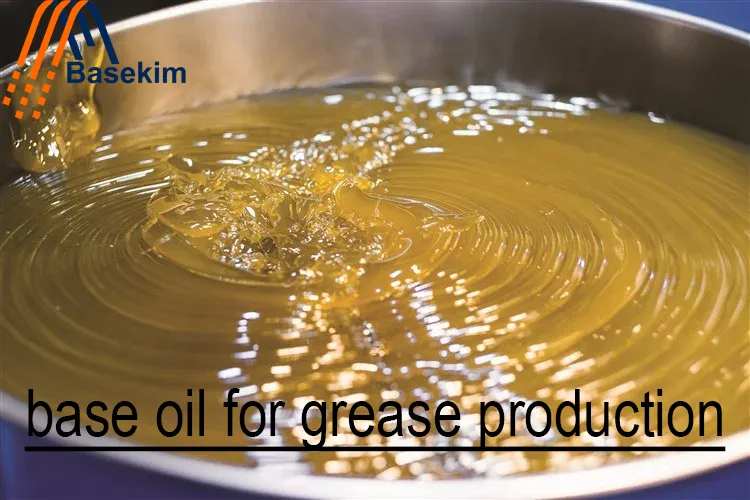
Grease plays a crucial role in the smooth operation of machines. Whether in vehicles, industrial gearboxes, or marine equipment, grease reduces friction, protects metal surfaces, and resists extreme conditions. However, few people realize that the quality of grease largely depends on one essential ingredient — base oil.
In this article, we will explore how base oil for grease production works, why it’s important, and what types are best for different applications. Along the way, we’ll explain why BaseKim is a leading supplier of premium base oils for grease manufacturers worldwide.
What Is Base Oil?
Before we dive into grease production, let’s first understand base oil. Base oil is the primary component of all lubricants, including greases. It serves as the fluid medium that allows greases to provide protection and performance. In fact, base oil typically makes up 70% to 90% of the grease formula.
There are several types of base oils, including:
Mineral base oils (from refined crude oil)
Synthetic base oils (chemically engineered for higher performance)
Biodegradable base oils (from plant sources)
Each type brings different advantages. Yet, all of them must meet strict quality standards to ensure consistent and reliable performance in grease products.
Why Is Base Oil Important in Grease Production?
Base oil is not just a filler — it’s the backbone of any grease. Without the right base oil, even the best additives and thickeners won’t deliver the desired results.
Now, let’s look at how base oil affects grease:
Firstly, Lubrication Performance
Grease must reduce friction between moving parts. Specifically, the base oil provides the fluid film that separates metal surfaces. Therefore, a higher-quality base oil ensures smoother motion and lower wear.
Secondly, Temperature Resistance
Greases often work in hot or cold environments. Consequently, base oils with the right viscosity index help maintain stability, even under extreme temperatures.
Next, Oxidation Stability
Over time, exposure to oxygen can break down oil molecules. Hence, a stable base oil resists oxidation, which means longer shelf life and less frequent relubrication.
Finally, Water Resistance
Machines are often exposed to moisture. As a result, a good base oil repels water, helping the grease to stay effective and avoid rust.
How Grease Is Made Using Base Oil
Grease production involves three main components:
Base oil
Thickener (like lithium soap, calcium, or aluminum complex)
Additives (anti-wear, antioxidants, anti-rust)
Here’s how the process works:
Heating: Manufacturers heat the thickener and additives.
Blending: Then, they add the base oil and mix until smooth.
Cooling and Packaging: After that, the grease cools down and gets packed for use.
Because the base oil is the largest part, choosing the right type and viscosity is critical.
Types of Base Oil for Grease Production
Different greases need different properties. Therefore, the base oil must match the job. Let’s look at the most common types:
1. Group I Mineral Base Oils
These are widely used in general-purpose greases. Although they are cost-effective, they have lower oxidation stability and are best for light-duty applications.
2. Group II and III Mineral Base Oils
These offer higher purity and better performance, especially in industrial greases. They also have better viscosity control and resistance to oxidation.
3. Synthetic Base Oils
Used in high-performance greases, such as for aviation, automotive, and marine industries. They remain stable in extreme heat, cold, and pressure.
Examples include:
PAOs (Polyalphaolefins) for extreme temperatures
Esters for biodegradable greases
Silicone oils for electrical applications
Selecting the Right Base Oil
Choosing the right base oil depends on the following factors:
Operating temperature
Load and pressure
Speed of machinery
Presence of water or chemicals
Environmental regulations
For example, if you’re producing grease for heavy-duty trucks, you might need a Group III or synthetic base oil. On the other hand, for home appliances, a Group I base oil might be enough.
BaseKim: Your Trusted Supplier of Base Oil for Grease Production
At this point, you might wonder where to get reliable base oil. That’s where BaseKim comes in.
As a global supplier of high-quality base oils, BaseKim supports grease manufacturers in over 30 countries. Here’s why many professionals choose BaseKim:
Consistent Quality
BaseKim provides base oils that meet international standards such as API, ISO, and ASTM. Therefore, you can trust the quality in every shipment.
Wide Range of Products
From Group I to Group III and synthetic base oils, BaseKim offers tailored solutions for all types of grease manufacturing.
Fast Delivery and Support
Whether you need bulk tankers or drum packaging, BaseKim ensures on-time delivery and full technical support.
Competitive Pricing
You get top-tier base oils without overpaying. BaseKim works directly with refineries to provide the best value.
Environmental Considerations
More manufacturers are now moving toward biodegradable or eco-friendly greases. This shift requires clean and sustainable base oils. Fortunately, BaseKim also offers plant-based and synthetic ester oils for environmentally conscious buyers.
Advantages of Using the Right Base Oil
To summarize, using the right base oil in grease production results in:
| Advantage | Impact on Grease |
|---|---|
| Stable viscosity | Better performance across temperatures |
| High oxidation resistance | Longer service life and fewer breakdowns |
| Water repellency | Rust prevention in humid environments |
| Strong lubrication film | Reduced friction and wear |
| Eco-friendliness | Regulatory compliance and sustainability |
In conclusion, base oil for grease production is far more than just a carrier — it defines the performance, reliability, and life span of the final product. Choosing the right base oil means your grease will protect machinery, resist harsh environments, and deliver lasting value.
And if you’re looking for a supplier who delivers both quality and expertise, BaseKim stands ready to help. With a wide product line, international shipping, and technical guidance, BaseKim supports your business — from first order to final application.