
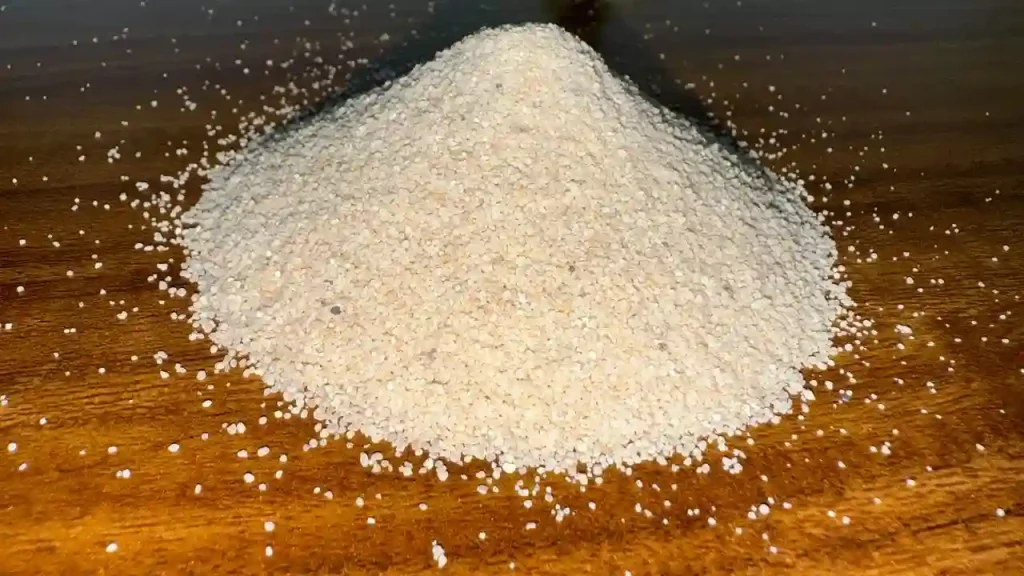
Silica sand is one of the most important raw materials used in the global glass industry. From architectural windows and beverage bottles to fiberglass, automotive glass, and specialty products, silica sand provides the silicon dioxide required to form the basic structure of glass.
The quality of silica sand for glass manufacturing directly affects the transparency, strength, color, chemical stability, and overall performance of the finished product. For this reason, glass manufacturers carefully evaluate silica content, iron oxide levels, grain size, moisture, and other impurities before selecting a suitable material.
High-quality silica sand generally contains a high percentage of silicon dioxide (SiO₂) with controlled levels of iron, alumina, and other minerals. Different types of glass require different silica sand specifications, making proper material selection an essential part of glass production.
What Is this product?
Silica sand is a naturally occurring granular material composed primarily of quartz, which is a crystalline form of silicon dioxide (SiO₂). While ordinary sand may contain a mixture of different minerals, industrial silica sand is selected and processed to achieve higher silica purity and more consistent physical characteristics.
Depending on the deposit and required application, silica sand may undergo several processing stages, including:
Washing
Screening
Classification
Drying
Magnetic separation
Attrition
Beneficiation
These processes help remove clay, dust, iron-bearing minerals, organic matter, and oversized or undersized particles.
For glass manufacturing, consistency is particularly important. Variations in chemical composition or particle size can influence melting behavior and the appearance of the final glass.
Why Is Silica Sand Used in Glass Manufacturing?
The main reason this product is used in glass manufacturing is its high silicon dioxide content. SiO₂ forms the primary structural network of most commercial glass.
When silica sand is heated with other raw materials at high temperatures, the mixture melts and forms a homogeneous glass mass. After cooling and forming, this material becomes the glass products used in construction, packaging, automotive applications, household products, and many industrial sectors.
Pure silica has a very high melting temperature. Therefore, commercial glass manufacturers normally combine silica sand with other ingredients to reduce the required processing temperature and modify the properties of the final glass.
Typical glass batch materials include:
Silica sand: Primary source of SiO₂
Soda ash: Helps lower the melting temperature
Limestone: Improves durability and chemical stability
Dolomite: Supplies calcium and magnesium oxides
Feldspar or alumina-bearing materials: Can improve strength and stability
Cullet: Recycled glass that helps reduce energy consumption during melting
The exact formulation depends on the type of glass being produced.
Importance of Silica Purity
Purity is one of the most important characteristics of silica sand for glass manufacturing.
The required SiO₂ content depends on the intended glass product. Clear and high-transparency glass generally requires cleaner raw material than colored glass or applications where slight coloration is acceptable.
Iron oxide is particularly important because excessive iron can create green, yellow, or brown coloration in glass. Therefore, low-iron silica sand is preferred for applications where optical clarity is critical.
High-purity silica sand can be especially important for:
Extra-clear architectural glass
Solar glass
Display glass
High-quality containers
Decorative glass
Specialty glass products
The acceptable chemical composition should always be determined according to the glass manufacturer’s production process and final product requirements.
Silica Sand Specifications for Glass Manufacturing
There is no single specification suitable for every glass plant. However, glass manufacturers commonly evaluate several important properties when selecting silica sand. In particular, chemical purity, iron content, grain size, and moisture can directly influence glass quality and production efficiency.
Silicon Dioxide (SiO₂)
Silicon dioxide is the primary component of silica sand. Generally, a higher SiO₂ percentage indicates a cleaner and purer silica source. However, manufacturers must also consider the type and concentration of individual impurities. Therefore, they usually evaluate SiO₂ content together with other chemical parameters before selecting silica sand for glass production.
Iron Oxide (Fe₂O₃)
Iron oxide is a critical parameter in glass manufacturing because it directly influences glass color and transparency. For this reason, manufacturers carefully control Fe₂O₃ levels, especially when producing clear glass.
In particular, low-iron silica sand offers significant advantages for clear and extra-clear glass applications. In contrast, colored glass formulations can often tolerate higher iron concentrations, depending on the required color and final product specifications.
Alumina (Al₂O₃)
Small amounts of alumina may be acceptable or even beneficial in certain glass compositions. Nevertheless, manufacturers need to keep its concentration within their specified limits. As a result, glass plants usually monitor alumina content as part of the overall chemical analysis of silica sand.
Grain Size
Particle-size distribution strongly influences how efficiently silica sand mixes with other batch materials and melts inside the furnace. Therefore, manufacturers usually prefer a consistent and controlled grain-size distribution.
Moreover, uniform particles can improve batch consistency and support efficient melting. On the other hand, excessive fine particles can increase dust and create handling problems. Likewise, oversized particles may take longer to melt and can reduce furnace efficiency. Consequently, selecting the appropriate grain-size range plays an important role in maintaining stable glass production.
Moisture Content
Moisture content also affects the handling, storage, and batching of silica sand. Therefore, glass manufacturers should control moisture according to their specific production requirements.
For example, dry silica sand can provide better results in systems that require accurate batching and efficient storage. In addition, consistent moisture levels can help manufacturers maintain more stable batch proportions and improve overall process control.
Main Types of Glass Produced with this product
The versatility of this product makes it suitable for a wide range of glass products.
1. Flat Glass
Flat glass is widely used in buildings, windows, doors, mirrors, partitions, façades, and automotive applications.
Consistent silica sand quality is important for producing uniform glass with the required optical characteristics.
Architectural glass manufacturers may require particularly low levels of coloring impurities when producing high-transparency or extra-clear products.
2. Container Glass
Bottles and jars for beverages, food, cosmetics, pharmaceuticals, and other products represent another major market for this product.
Container glass may be manufactured in clear, green, amber, and other colors. Raw-material requirements therefore vary according to the desired appearance and manufacturing formulation.
3. Fiberglass
Silica sand is also used in the production of fiberglass.
Fiberglass has numerous applications, including:
Thermal insulation
Acoustic insulation
Roofing materials
Composite products
Automotive components
Industrial reinforcement
The chemical composition of the raw materials must be carefully controlled to achieve the required fiber properties.
4. Solar Glass
Solar-energy applications can require exceptionally transparent glass to maximize light transmission.
Low-iron silica sand is particularly important in this sector because excessive iron content can reduce optical transmission.
Solar glass can be used in photovoltaic modules, solar collectors, and related renewable-energy applications.
5. Specialty Glass
High-quality silica raw materials can also be used for various specialty glass products.
Depending on the formulation and purity requirements, these applications may include laboratory glass, optical products, technical glass, lighting products, and specialized industrial components.
How Silica Sand Is Used in the Glass Production Process
Glass manufacturing begins with the preparation of a carefully controlled batch of raw materials.
First, this product is tested to verify its chemical composition, moisture level, and particle-size distribution. It is then weighed and blended with soda ash, limestone, dolomite, recycled glass, and other materials required by the formulation.
The prepared batch enters a glass-melting furnace, where high temperatures transform the solid raw materials into molten glass.
The process generally includes:
Raw-material preparation – Silica sand and other ingredients are stored, measured, and prepared.
Batch mixing – Raw materials are blended in controlled proportions.
Melting – The mixture is heated until it becomes molten glass.
Refining and homogenization – Gas bubbles and compositional inconsistencies are reduced.
Forming – Molten glass is shaped into sheets, bottles, fibers, or other products.
Annealing and cooling – Controlled cooling reduces internal stresses.
Inspection – Finished glass is checked for defects and compliance with specifications.
The characteristics of silica sand can influence several stages of this process.
Benefits of High-Quality Silica Sand
Choosing suitable silica sand for glass manufacturing provides several important advantages.
Better Glass Clarity
Low levels of iron and other coloring contaminants help manufacturers produce clearer and more transparent glass.
This is particularly important for architectural, solar, display, and decorative applications.
Consistent Production
Uniform chemical composition and particle-size distribution help maintain predictable batch behavior.
Consistency is important for industrial glass plants operating continuously and producing large volumes.
Improved Melting Performance
Properly sized silica particles mix effectively with other batch ingredients and contribute to controlled melting.
A carefully specified raw material can therefore support efficient furnace operation.
Better Finished-Product Quality
The purity of silica sand directly influences important characteristics such as color, transparency, and chemical composition.
Controlling raw-material quality can reduce variation in finished glass products.
Wide Range of Applications
Different grades of silica sand can support the production of clear glass, colored containers, fiberglass, architectural glass, solar glass, and various specialty products.
Low-Iron Silica Sand for Clear Glass
One of the most valuable categories of silica sand for the glass industry is low-iron silica sand.
Iron is naturally present in many mineral deposits. Even relatively small quantities can affect the color of transparent glass. Consequently, glass manufacturers producing high-clarity products generally establish strict Fe₂O₃ limits.
Low-iron silica sand is commonly considered for:
Extra-clear windows
Premium architectural glazing
Glass façades
Solar panels
Display glass
Decorative applications
Depending on the natural deposit, beneficiation processes such as washing, magnetic separation, and other mineral-processing techniques may be used to reduce unwanted impurities.
Particle Size and Its Importance
Chemical purity alone does not determine whether silica sand is suitable for glass production. Grain-size distribution is another critical consideration.
If particles are excessively coarse, they may take longer to dissolve in the molten batch. Excessive fines, on the other hand, can increase dust generation and create material-handling challenges.
Glass manufacturers therefore normally establish a specific particle-size range based on their furnace, batch formulation, and production requirements.
A well-controlled silica sand product should provide consistent sizing from shipment to shipment.
Quality Control of Silica Sand
Reliable quality control is essential when supplying silica sand for glass manufacturing.
Typical testing may include:
SiO₂ content
Fe₂O₃ content
Al₂O₃ content
CaO and MgO
Other trace elements
Particle-size distribution
Moisture
Loss on ignition (LOI)
Depending on the application, additional mineralogical or chemical analyses may also be required.
A Certificate of Analysis (COA) is commonly used to communicate the tested properties of a specific material or shipment.
For large-volume industrial supply, maintaining consistency between batches is just as important as meeting the specification of an individual sample.
Silica Sand Storage and Handling
Proper storage helps maintain the quality of silica sand before it enters the glass manufacturing process.
Protect the material from contamination by soil, other minerals, chemicals, and foreign materials. Store different silica grades separately when their specifications differ.
Bulk handling systems may include:
Covered stockpiles
Silos
Hoppers
Conveyor systems
Bulk trucks
Bags or jumbo bags
Dust-control measures are also important. Fine respirable crystalline silica dust presents a serious occupational inhalation hazard, so appropriate engineering controls, handling procedures, housekeeping, and personal protective equipment should be used according to applicable workplace regulations.
Choosing a Silica Sand Supplier for Glass Manufacturing
Glass manufacturers should evaluate more than just price when selecting a silica sand supplier.
Important factors include chemical consistency, particle-size control, production capacity, testing procedures, packaging options, logistics capability, and reliability of long-term supply.
Before placing a commercial order, buyers should request representative samples and technical documentation.
Important documents can include:
Technical Data Sheet (TDS)
Certificate of Analysis (COA)
Safety Data Sheet (SDS)
Particle-size analysis
Chemical analysis
Packing information
For industrial glass plants, stable long-term supply is particularly important because significant changes in raw-material characteristics may require adjustments to the glass batch or production process.
Applications of Silica Sand Beyond Glass Manufacturing
Although glass production is one of the most important industrial applications of silica sand, the material is also widely used in other industries.
Common applications include foundry casting, water filtration, construction materials, ceramics, paints and coatings, chemical manufacturing, sports surfaces, and certain oil and gas operations.
However, each industry has different requirements regarding purity, particle size, hardness, and chemical composition. A silica sand grade intended for general construction should not automatically be assumed suitable for glass manufacturing.
Conclusion
Silica sand for glass manufacturing is a fundamental industrial raw material that provides the silicon dioxide needed to produce a broad range of glass products.
Its purity, iron content, particle-size distribution, moisture, and consistency can significantly influence the manufacturing process and the quality of the finished glass. High-quality silica sand is used in flat glass, container glass, fiberglass, solar glass, architectural products, and numerous specialty applications.
For glass manufacturers, selecting the appropriate silica sand is therefore an important technical and commercial decision. A reliable supply with consistent chemical and physical properties can support stable production, better transparency, controlled coloration, and dependable finished-product quality.
Whether the requirement is for standard container glass or high-transparency solar and architectural glass, selecting silica sand according to the specific production requirements is essential for achieving consistent results.
No. Silicon dioxide is essentially insoluble in water under normal conditions.
Store silica sand in a clean, dry area and protect it from moisture, soil, chemicals, and other contaminants. Keep different grades separated when their chemical composition or particle size differs.
Silica sand provides the main source of silicon dioxide required to produce glass. Its purity, iron content, moisture, and particle-size distribution can significantly affect glass quality and appearance.