
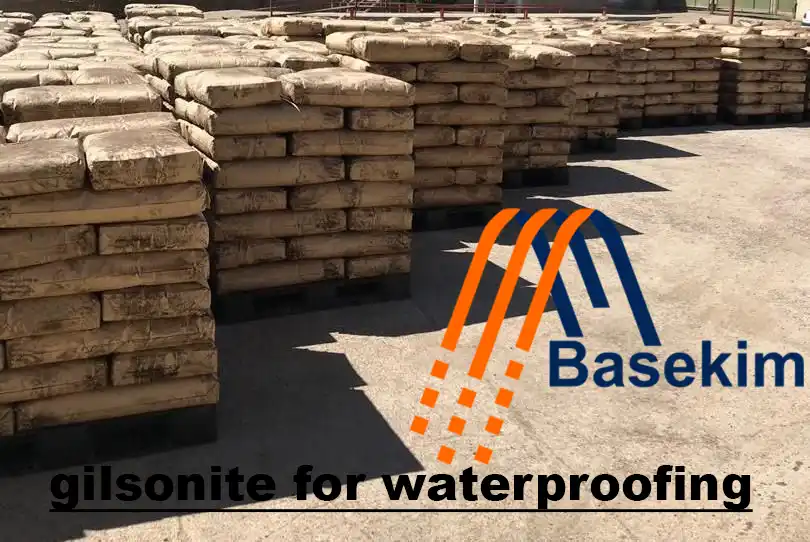
When it comes to waterproofing, reliability is everything. Whether you’re sealing roofs, basements, tunnels, or highways, you need materials that resist moisture, last long, and perform under pressure. That’s where gilsonite for waterproofing comes in—a natural bitumen that’s making big waves in the construction and industrial sectors.
In this article, we’ll explore why gilsonite is gaining popularity for waterproofing, how it performs in different applications, and why Basekim is the partner manufacturers rely on for quality and consistency.
What Is Gilsonite and Why Does It Matter?
Gilsonite, also known as natural asphalt or uintaite, is a naturally occurring, solid hydrocarbon. Unlike refined bitumen, it is mined in its solid form and ground into fine powder or pellets for various industrial uses.
Importantly, gilsonite is rich in asphaltenes and resins, making it:
-
Water-resistant
-
Chemically stable
-
Thermally strong
-
Adhesive and flexible
Because of these traits, it fits perfectly into waterproofing formulas.
Why Gilsonite for Waterproofing Works So Well
Gilsonite is not just another additive. In waterproofing systems, it brings unique value:
1. Superior Water Resistance
Thanks to its dense molecular structure, gilsonite naturally repels water. Consequently, it is used to create coatings and membranes that prevent moisture from penetrating concrete, asphalt, and other materials.
2. Long-Term Durability
Many waterproofing products crack or degrade over time. However, gilsonite enhances flexibility and strength in mixtures, helping them resist weather changes, pressure, and wear.
3. Improved Adhesion
When used in emulsions and sealants, gilsonite helps the mix stick better to surfaces. This ensures tight seals that don’t peel or break away—even in extreme climates.
4. Temperature Stability
Some waterproofing materials become brittle in cold or melt in heat. Gilsonite, on the other hand, remains stable across a wide temperature range, making it ideal for both hot and cold climates.
Where Is Gilsonite Used in Waterproofing?
Gilsonite for waterproofing is used in several applications, including:
-
Roof Coatings: Gilsonite-based products help roofs resist leaks and sun damage.
-
Basement and Foundation Sealants: Moisture can’t penetrate gilsonite-modified barriers.
-
Highway and Bridge Decks: Gilsonite strengthens asphalt used in these structures.
-
Tunnels and Dams: It improves waterproof membranes and concrete coatings.
-
Pre-fabricated Waterproofing Sheets: Gilsonite gives these sheets flexibility and durability.
Clearly, its use spans both construction and civil engineering.
Why Builders Prefer Gilsonite Over Alternatives
While synthetic additives are available, gilsonite stands out for several reasons:
Natural Performance
Gilsonite’s chemical makeup requires little processing. That means fewer chemicals, less energy use, and lower environmental impact.
Compatibility
It blends well with other bitumen types, polymers, and solvents. As a result, manufacturers can easily include it in existing production lines.
Cost Efficiency
Although it performs like a premium additive, gilsonite often costs less over time because it reduces maintenance, repair, and failure rates.
Real-World Results: Gilsonite in Action
Let’s look at how gilsonite makes a difference in the field.
Case Study 1: Waterproofing in Coastal Buildings
A contractor in the Middle East used gilsonite-modified coatings in residential and commercial buildings near the sea. After five years, no moisture damage was reported—even in foundations exposed to saltwater and high humidity.
Case Study 2: Tunnel Waterproofing in Europe
In a highway tunnel exposed to groundwater, engineers applied a waterproofing membrane enriched with gilsonite. Compared to earlier projects with standard bitumen, this solution lasted 3x longer and showed fewer cracks.
How Basekim Supports Gilsonite-Based Waterproofing
At this point, it’s clear gilsonite offers serious benefits. But not all gilsonite is created equal.
That’s why professionals turn to Basekim, a leading supplier known for quality, service, and technical know-how.
1. High-Purity Gilsonite Supply
Basekim offers gilsonite with high asphaltene content, low ash, and consistent particle size. This means better blending, higher performance, and minimal waste.
2. Custom Packaging & Delivery
Whether you need gilsonite powder, pellets, or blends, Basekim delivers worldwide—on time and in the form that works best for your operation.
3. Technical Expertise
Basekim’s engineers work closely with manufacturers to fine-tune their waterproofing formulas. If your mix needs extra strength, better spreadability, or improved shelf-life, their team can help.
4. Environmental Focus
Gilsonite itself is a naturally mined material. And Basekim follows responsible mining and distribution practices to minimize its environmental footprint.
Related Terms and Backlink Keywords
To strengthen this topic further for SEO and internal linking, consider connecting it with:
-
Natural bitumen for construction
-
Bitumen additive for waterproof membranes
-
Gilsonite supplier Middle East
-
Asphalt enhancer
-
Waterproofing resin
-
Modified bitumen formulations
These related terms help position your content in a broader online network.
Final Thoughts
Waterproofing isn’t just about stopping leaks—it’s about protecting assets, ensuring safety, and extending the life of structures. Gilsonite for waterproofing delivers on all these fronts.
With its natural composition, high durability, and strong adhesive properties, gilsonite is becoming a preferred choice for modern waterproofing systems. And with Basekim as your supplier, you’re not just getting material—you’re getting a partner who understands your technical, commercial, and logistical needs.
If your goal is to build smarter, longer-lasting, and more cost-effective waterproofing solutions, it’s time to explore gilsonite.
Choose Gilsonite. Choose Basekim.