
wax deoiling via difference in melting point of wax and oil
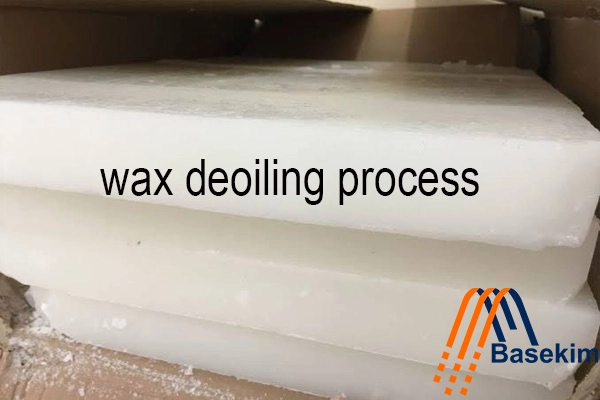
The Wax Deoiling Process: How Basekim Leads Innovation in UAE and Turkey
The wax deoiling process plays a vital role in producing high-quality paraffin wax. Especially in regions like UAE and Turkey, where petrochemical industries are expanding, having efficient and scalable solutions for wax refining is more critical than ever. That’s where Basekim, a leading provider of chemical processing systems, steps in.
Accordingly in this guide, we’ll walk you through how the wax deoiling process works, why it matters, and how Basekim is transforming this traditional technique into a more modern, effective solution. Along the way, we’ll also cover its practical applications and how industries in UAE and Turkey benefit.
What Is the Wax Deoiling Process?
To begin with, the wax deoiling process—also referred to as wax oil separation—is the method used to remove residual oil from paraffin wax. This is done to improve the purity and performance of the final product. Typically, this process is used in applications like candle production, food packaging, cosmetics, and rubber manufacturing.
More specifically, the traditional method known as sweating is often employed for this task. However, as we’ll soon see, sweating comes with several limitations. Nonetheless, understanding this method gives us a solid foundation for discussing modern improvements.
Basekim’s Role in Wax Deoiling Innovation
Before diving into the process itself, it’s important to highlight Basekim’s significant contribution. With advanced solutions tailored for markets in UAE and Turkey, Basekim has modernized outdated techniques and introduced automated systems that ensure both consistency and efficiency.
Thanks to cutting-edge tools like automated thermal sensors and multi-stage heating controls, Basekim helps companies optimize the wax deoiling process without compromising on quality. In other words, they’re turning a time-consuming task into a streamlined, scalable operation.
Step-by-Step Breakdown of the Wax Deoiling Process
To truly understand how wax is purified, let’s explore the wax deoiling process step by step.
1. Melting the Wax
First and foremost, paraffin wax must be completely melted. This is a crucial step, as melting allows the embedded oil to redistribute evenly throughout the liquid. At this point, large paraffin crystals naturally allow oil to flow more freely.
2. Cooling in Trays
Next, the molten wax is poured onto metal trays arranged vertically like stairs. These trays left to cool naturally. As a result, the wax forms a semi-solid structure, preparing it for the next phase.
3. Slow Heating to Separate Oil
Once the wax has cooled, it is gradually reheated—typically at a rate of 1 to 2°F per hour. Hence This slow heating is the heart of the wax deoiling process. During this phase, droplets of oil begin to seep downward through the wax structure. Eventually, this oil is collected in tubes placed around the trays.
4. Halting the Process at the Right Time
As heating continues, samples take to measure the remaining oil content. When the wax reaches the desired level of purity, the heating stops. Finally, the purified wax—now separated from most of the oil—is collected from the top tray.
Why Controlled Heating Matters in Wax Refining
It’s worth noting that the success of the wax deoiling process depends heavily on temperature control. If the wax is heated too quickly, oil may remain trapped in the wax crystals. On the other hand, heating too slowly can extend processing times dramatically.
That’s why Basekim’s smart heating systems make such a big difference. By using automated thermal controls and real-time monitoring, Basekim ensures optimal heating rates, which leads to both faster processing and higher product quality.
Applications of Deoiled Wax Across Industries
So, why go through all this effort? The answer lies in the many uses of deoiled paraffin wax. Here are just a few examples:
Cosmetics: Used in creams, lipsticks, and balms for its smooth texture and low oil content.
Candle Making: Clean wax ensures bright, even burning.
Food Packaging: Acts as a moisture-resistant coating.
Rubber and Tire Production: Adds flexibility and durability.
As demand for these products grows in UAE and Turkey, the need for reliable wax deoiling processes continues to rise as well.
Advantages of the Wax Deoiling Process
When done correctly, the wax deoiling process offers numerous benefits:
Customizable Melting Points: You can create wax products suited for different temperatures.
Greater Product Purity: Lower oil content means higher thermal and chemical stability.
Improved Efficiency: Automated systems reduce waste and labor costs.
Scalable Output: Suitable for both small and large manufacturing plants.
Clearly, the benefits extend beyond just product quality—they also support business growth and sustainability goals.
Challenges of Traditional Wax Deoiling Methods
Despite its usefulness, the sweating method does have some major drawbacks:
Long Processing Times: It can take up to 70 hours to complete a full cycle.
Higher Residual Oil: Oil extraction is not always complete.
Limited Material Compatibility: Only works well with specific wax types.
Manual Labor Requirements: Increases chances of human error.
Because of these factors, many companies are transitioning to modern solutions, like those provided by Basekim.
How Basekim Solves These Problems
Basekim addresses these challenges by offering:
Automation: Reduces manual errors and ensures consistent results.
Real-Time Monitoring: Tracks oil content, temperature, and wax behavior live.
Multi-Zone Heating: Enables more precise oil separation by melting different wax types at different rates.
Custom Designs: Tailored systems for varying production scales across UAE and Turkey.
As a result, businesses enjoy faster cycles, cleaner output, and lower overhead.
The Future of Wax Deoiling in UAE and Turkey
Looking ahead, it’s clear that the wax deoiling process will remain essential to industrial development in UAE and Turkey. These regions are investing heavily in refining and downstream operations, making high-purity paraffin wax a high-demand commodity.
Furthermore, with partners like Basekim leading the charge, companies now have access to smarter, more sustainable wax refining solutions. Transitioning from outdated methods to data-driven, high-efficiency systems is no longer a luxury—it’s a necessity.
Closing: Why Basekim Is the Right Partner for Wax Deoiling
In conclusion, the wax deoiling process is a cornerstone of modern paraffin wax production. While traditional sweating methods still have a role, the future lies in automation, precision, and efficiency. Basekim’s technologies enable industries in UAE and Turkey to meet this future head-on.
By enhancing every step of the wax deoiling process, Basekim not only helps businesses meet today’s standards—but also positions them for long-term success. If you’re in the business of wax, refining it the smart way is the only way forward.